
Four women directors deliver singular films at the Open Roads: New Italian Cinema series at Lincoln Center—these works are eye-openers, and each brings a strong point of view. Although one psychological thriller is sleekly adult, the other two movies gaze at mistreated children with overlapping themes and styles, with one film even borrowing two cast members from the other. Setting up childless couples, neglected kids, a flamboyantly gay manny, and selfish single parents in the mix, it’s tempting to look at these movies as critiques of the Italian family. But each film has its own declarations of the heart to make, mostly free of any socio-political agenda.
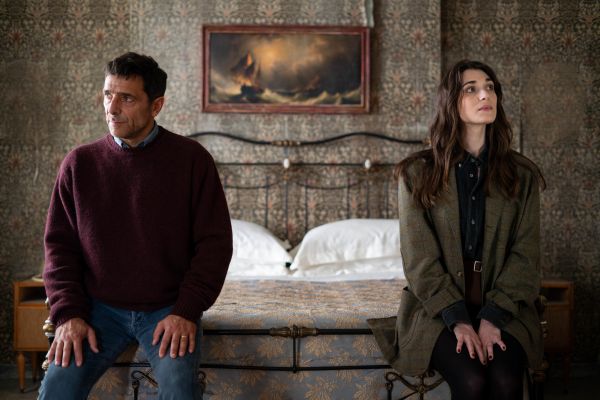
It’s no stretch to call Ludovica Rampoldi’s debut film A Brief Affair mesmerizing; brilliant may not be an exaggeration either. Rampoldi interweaves Hitchcockian mind-twists and romantic obsession with subtle dark humor, framed by austerely beautiful yet sexy shots and pushed along by loaded, pithy dialogue. Many directors would struggle to reconcile so many elements, but Rampoldi approaches her task with an insinuating rigor and confidence.
Drunk and alone in a bar, Lea (Pilar Fogliati) makes a vulnerable, desperate, yet somehow charming play for a married seismologist who has stopped by for a drink. Rocco (Adriano Giannini) is a decent guy and ducks the come-on. Yet soon the two are drifting into an all-consuming affair. Her eagerness and his reluctance are sketched out believably, and it takes a while to put together the status of other relationships in their lives—both have food at home, but itch to sample another menu.
She more than he, as it turns out. It’s not giving away too much to reveal that Lea is a relentless stalker. Tensions mount as she insinuates herself into Rocco’s life and home, (deliberately?) smashing an ant farm on a clandestine visit, leaving ants metaphorically crawling through the apartment. She also orchestrates an entanglement with his dry, cerebral yet sexy psychiatrist wife (Valeria Golino). However, Lea’s own parallel domestic arrangement reveals glimpses of tenderness, preventing her from descending into a Fatal Attraction–style monster.
Rampoldi has cast actors who are magnetically good-looking but also manage to be relatable and real, and who make their characters understandable without revealing too much. It’s a heavy lift for the filmmaker to end this movie with all the elements she has set in motion, but the denouement balances dreamlike resolution and unease in perfect measures.
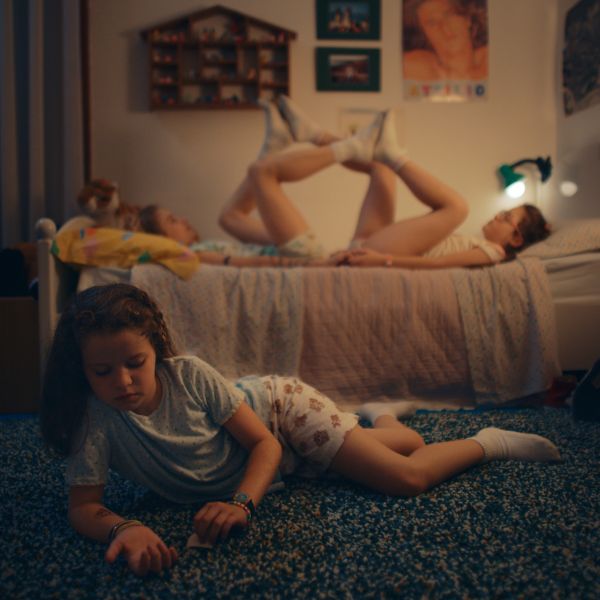
Sisters Nicole Bertani and Valentina Bertani have collaborated on Mosquitoes, a child-centered work set in the 1990s that could not be more different than A Brief Affair. The film gets points for chaotic bravura and candy-colored charisma, but a wandering lack of focus tends to slow its momentum down. The parents of the three girls in this story include two blondes who look good on paper but carry heavy burdens—fatal drug addiction for Ada (Clara Tramontano) and fatuous self-absorption for another nameless mom (Jessica Piccolo Valerani). A third blonde in the form of a flamboyant gay nanny (Milutin Dapcevic) and a Gorgon-like grandmother figure into the parenting mix too. Ada’s two daughters band with the other girl to cope with their guardians’ neglect and capriciousness.
As the narrative struggles to gain pathos, multiple scenarios of the kids running, roughhousing, and prattling away on childish subjects interrupt the emotional flow. Episodes of magic realism surface to signal profundity. A fixation on weirdo neighbors, mosquito bites, drug-induced vomiting, and a plastic eyeball embedded in dog crap induces unease; the decision to make the gay character a cartoon of effeminacy and to consign him to a shocking, violent fate may be a commentary on the homophobia of the 1990s, but it disturbs all the same. For all its flaws, Mosquitoes has a lot of unpredictable chutzpah and energy to burn, and ideally the Bertanis can get a firmer hand on promising material in future projects.
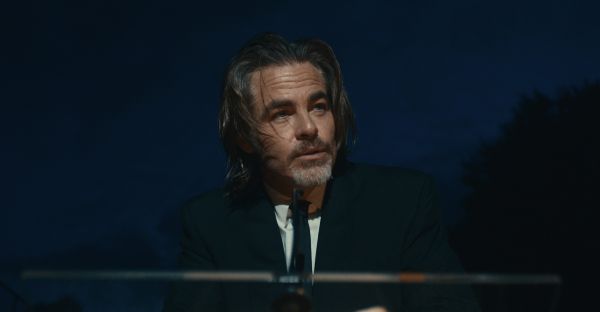
In a harsh, off-kilter way, Carolina Cavalli’s The Kidnapping of Arabella also pulls at our heartstrings with a tale of a little girl hard done by—imagine a Kajillionaire–ish, Jarmusch–esque road trip with murmuring echoes of a psycho Paper Moon. Eight-year-old Arabella (Lucrezia Guglielmino), adorable yet inclined to sulk and shout like the moppets of Mosquitoes, embarrasses her vain, seedy American author father (Chris Pine, actually speaking pretty darn good Italian) by acting out on the night of a boring awards dinner. Thus, he consigns his chauffeur to take her out for some fast food.
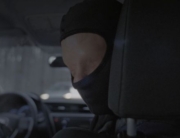
In the parking lot, the little girl, acting on a hunch, pretends to share the same name as Holly (Benedetta Porcaroli), a mentally disturbed young woman in an idling car. Overwhelmed by what feels like a reunion with her alter ego, the Patti Smith lookalike whisks Arabella away in her wheels and embarks on an erratic road trip. She also sets off a manhunt for the child, and soon the two are scurrying from pillar to post in the scummy corners of Italy that so many directors use as a backdrop for spiritual decay. Along the way they’ll meet Dapcevic and Tramontano straight out of Mosquitoes, playing a fast-food worker and a sinister hotel clerk.
Some of Kidnapping’s bizarre scenes are charmingly Fellini–esque, such as an interlude where the two fugitives are warmly welcomed into a tacky wedding. The wary relationship between kidnapper and kidnapped unfolds in surprising ways. But the movie missteps in playing severe delusions and child abduction for laughs when neither are very funny. It relies too much on repeated jokes and grotesqueries, and like Mosquitoes, lets a child chatter on too long after the naive charm has worn off. The film does stick with you, though; like Kajillionaire, it refuses to shrink from the loneliness and pain caused by mental illness. As with the other films in this series, it may not be perfect, but it’s certainly memorable.




Leave A Comment