
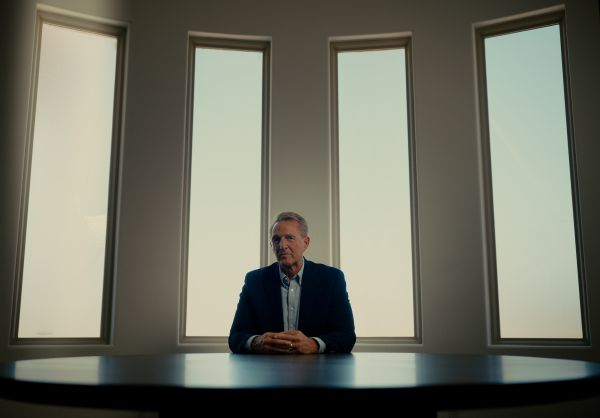
If you’re anything like I am, you will go into 14th, the new documentary by filmmaker Ava DuVernay, assuming a basic grasp of this young-ish amendment to the Constitution, especially of late with so much discourse regarding birthright citizenship. But also, like me, you will probably come away from it realizing you didn’t know the half of it, not least who contributed to and wrote it. 14th, presented as a challenge to current politics and hope to the masses, is imbued with information as well as educational talking points.
As a follow-up to her groundbreaking documentary 13th, which focuses on how the abolition of slavery (through the 13th Amendment) in 1865 gave way to the mass incarceration of Black Americans, DuVernay now platforms the tenets of the 14th Amendment, with a focus on the country’s post-enslavement era. Despite the 10-year gap between films, 14th is incredibly timely and is as contemporary as it is historical. Where 13th was released on the heels of Donald Trump’s first election, 14th arrives in the midst of his second term, which is fraught with the dismantling of democratic norms.
Like its predecessor, this film packs a powerful punch. The 14th Amendment has long been considered almost like a second Constitution, shaping the post–Civil War and Reconstruction periods. This amendment frames and governs the political mindset of the modern American populace, from Boomers to Gen Z. As mentioned, many associate this particular amendment with birthright citizenship, but in fact, that is just one provision—in Section 1—of the amendment’s five sections. The amendment’s five sections cover citizenship, due process, and equal protection; apportionment and voting rights; disqualification for insurrection; public debt; and congressional enforcement.
The film is structured around the framing of the amendment’s five sections, diving into each aspect one by one with a wide array of contributors. The lineup includes academics led by Sherrilyn Ifill, activists such as Stacey Abrams, commentators like Donald T. Critchlow and Hasan Piker, and lawmakers from both sides of the aisle, including Alexandria Ocasio-Cortez (D-NY), Anna Paulina Luna (R-FL), former Senator Jeff Flake (R-AZ), and Senator Alex Padilla (D-CA). During the panel discussion after the New York Film Festival press screening, DuVernay admitted to not securing as many conservative lawmakers as she preferred, although her team reached out to some 300. Despite that, the participants are numerous, varied, and shine, albeit with one or two—like Piker—possibly considered by some to be questionable, if not outright controversial. Although their presence may cause pause or spark backlash, what they say is factual, passionate, and vital.
Another issue DuVernay has had to address during the festival and in the lead-up to the film’s release is the use of AI to animate archival photographs. As such, she defends the limited use of the tools. “The artists only worked with tools that were already part of technology they were using. Furthermore, we didn’t use it to fabricate a person or approximate someone’s voice to say something they didn’t actually say.”
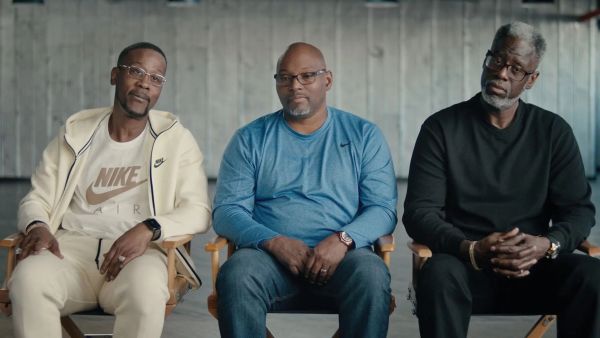
As to the overall production and presentation, 14th falls somewhat into the talking-heads category similar to Ken Burns on PBS, but more elevated. Every participant is positioned in strikingly different settings and with varying camera angles, which gives the format a much-appreciated freshness. DuVernay and her editor, Spencer Averick, with whom she has long collaborated, incorporate, as mentioned, archival photographs, along with contemporary videos and news footage. Additionally, they cleverly connect current issues with the tenets of the amendment. There is no lack of examples of how its provisions have been especially challenged since Trump’s return to office. There is seemingly a daily barrage of attacks, from debates over DEI initiatives to the empowerment of ICE, just to name a few. In fact, so plentiful are the modern-day connections that one of the biggest challenges DuVernay admitted having was knowing when to stop filming and work with the many hours of footage covering the nearly 160 years since the amendment’s ratification. In the end, viewers are treated to a sobering documentary that rises to meet the zeitgeist.
14th will screen in select theaters on November 27 and begin streaming on Netflix on December 4.




Leave A Comment