Zero F**** Given
By Paul Weissman April 1, 2022

A piercing portrayal of the numbness that grieving perpetuates.
A piercing portrayal of the numbness that grieving perpetuates.
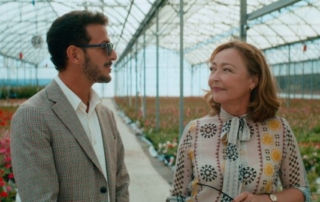
An engaging, if familiar, cinematic bonbon that owes its appeal to Catherine Frot’s winning performance and its unusual subject, the rarified world of rose breeding and flower competitions. Oh, for the revival of Odorama!
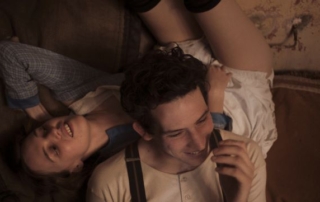
A British period drama that subverts the polite conventions of the genre with its frank depiction of sex.
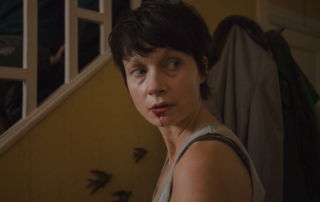
Kate Dolan’s ability to create maximum tension with a minimal budget and scant practical effects marks her as a director to watch.
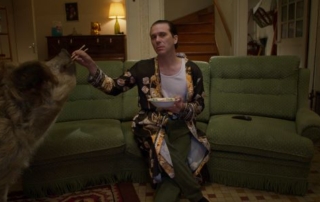
Not an easy film to watch, this dark satire is challenging, violent, gruesome, and maybe even necessary.

The film nimbly becomes a thriller without shedding its established rhythm. Before you know it, the tone has turned uncomfortably ominous.
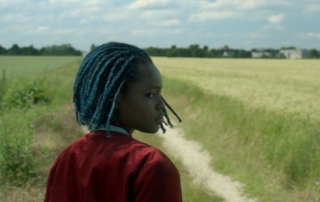
The annual event offers a spotlight on women directors and coming-of-age stories, a festival staple.
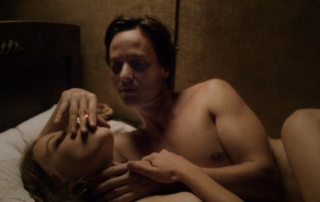
Welcome to Weimar–era Berlin, a world of economic instability, wild partying, cabaret performers, rampant sexuality, and where Nazis are beginning to march the streets.

Director Oliver Hermanus offers a fresh take on a noted work by placing its story line in a different cultural context, where it holds up handily.